Best Homemade Ricotta Cheese Recipe
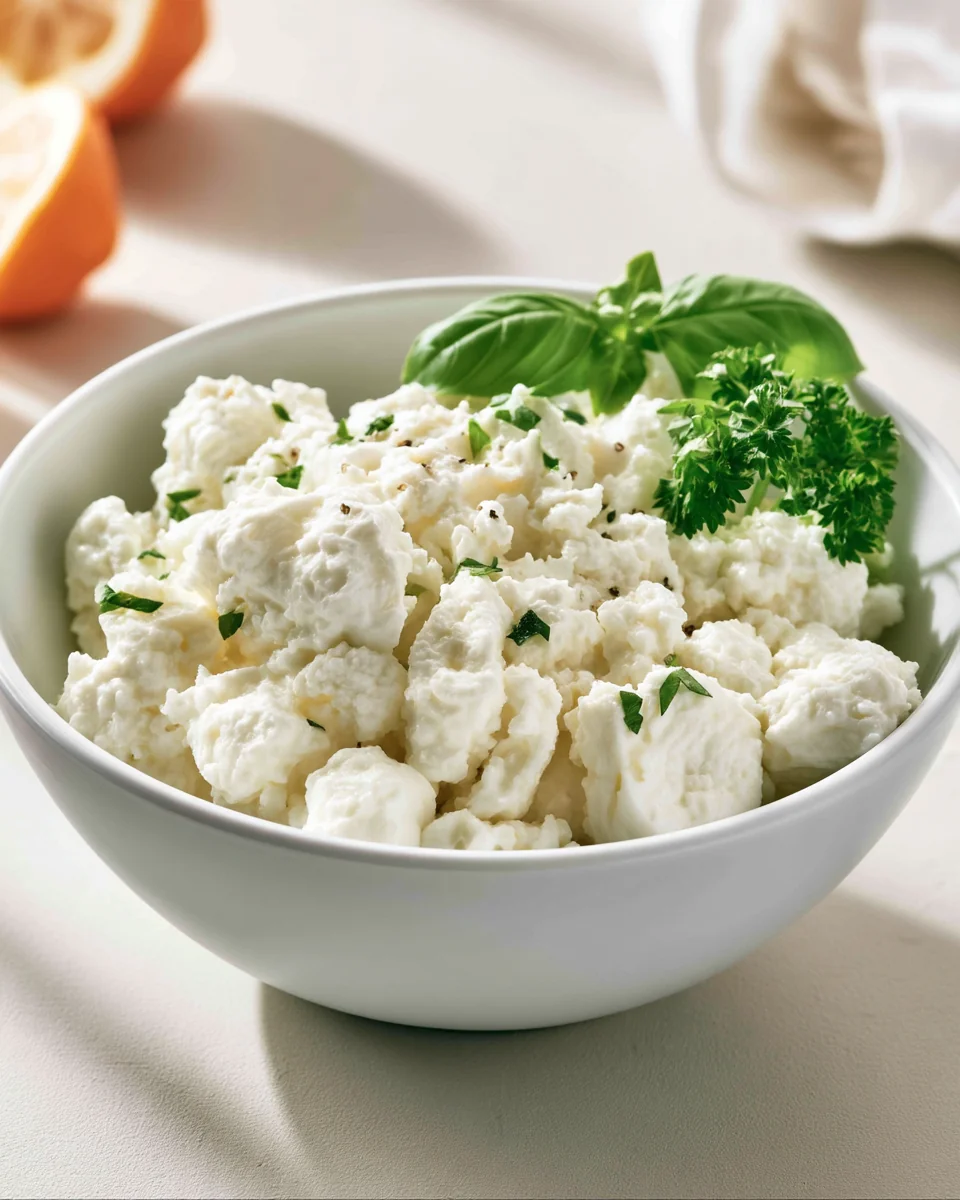
Making the best homemade ricotta cheese is a game-changer in the kitchen. This cheese is creamy, rich, and downright comforting, making it perfect for spreading on toast or incorporating into lasagna. The texture is smooth yet has a delightful body that store-bought varieties just can't match. You'll find it’s a fresh antidote to less vibrant cheeses that often fill grocery shelves.
This recipe focuses on using fresh lemon juice instead of vinegar to curdle the milk. This small yet crucial choice ensures the ricotta has a brighter, more distinct flavor and a creamier texture. By letting the curds and whey separate naturally, you’ll prevent the blandness that often comes from using vinegar, resulting in a cheese worth every morsel.
Why You'll Love This Recipe
- Fresh Ingredients — Using whole milk and heavy cream leads to a richer texture and flavor compared to store-bought options.
- Quick Process — This recipe only takes about 30 minutes from start to finish, allowing you to enjoy fresh ricotta in no time.
- Customizable Texture — You can easily adjust the draining time to achieve the perfect consistency for your dish, whether it's creamy or firm.
- Cost-Effective — Making your own ricotta saves money, especially when you can control the quality of the ingredients you use.
Ingredients & Substitutions
Serves 6
For the Ricotta
- 34 ounces whole milk — creates a creamy base; skim milk results in a thinner texture.
- ½ cup unsweetened heavy cream — adds richness; half-and-half can be used but won't be as creamy.
- ¼ teaspoon salt — enhances flavor; can be omitted if you are using the cheese in sweets.
- 2-3 tablespoons freshly squeezed lemon juice — vital for curdling; vinegar can work, but it may dull the flavor.
How to Make Best Homemade Ricotta Cheese Recipe
Step 1: Prepare the Pot
Start by adding 2 tablespoons of water to a heavy-bottom pan. Heat over medium heat until it starts to boil. This creates steam and prevents the milk from scorching, which can ruin your cheese.
Step 2: Combine the Milk and Cream
Next, pour in the 34 ounces of whole milk, ½ cup of heavy cream, and ¼ teaspoon of salt. Stir occasionally while bringing the mixture to a boil. You'll know it’s time to move on when you see gentle bubbles forming around the edges of the pan.
Step 3: Curdle the Milk
Once it reaches a boil, immediately remove the pan from heat. Stir in 2-3 tablespoons of freshly squeezed lemon juice. Watch as the milk quickly curdles; the curds will clump together and separate from the whey. Let it rest for 2-3 minutes to allow this process to complete.
Step 4: Prepare the Sieve
While waiting, line a large sieve with cheesecloth and place it over a larger bowl. This setup helps catch the whey while allowing the curds to drain freely.
Step 5: Drain the Curds
Carefully transfer the curds into the cheesecloth-lined sieve using a slotted spoon or by gently pouring it. Let it drain for about 10-12 minutes for a spreadable texture or 20 minutes if you prefer it firmer. Check intermittently until it reaches your desired consistency.
Step 6: Store the Ricotta
Once drained, you can either use the ricotta immediately or wrap it in cheesecloth, pressing with something heavy. For a more intense flavor, refrigerate it overnight. Remember that draining for too long makes it drier—add some of the reserved whey back in if needed.
Step 7: Enjoy
Your homemade ricotta is best stored in a clean and dry airtight container in the refrigerator for 3-4 days. Enjoy it on toast, in pasta, or in desserts for a fresh, creamy experience!
How to Serve Best Homemade Ricotta Cheese Recipe
Homemade ricotta is creamy and versatile, making it perfect for various serving styles and occasions. Whether you’re spreading it on toast or using it in pasta, knowing how to serve it enhances the experience.
Serving Ideas
- Serve it warm — Allow the ricotta to sit for about 10 minutes after draining for a smoother texture; warmth brings out the richness and enhances its flavor.
- Use a shallow bowl — Present the ricotta in a shallow bowl to encourage scooping with bread or crackers; this also helps maintain its creamy texture.
- Perfect for gatherings — This cheese shines at brunch or casual dinners; portion it into 3-4 tablespoons for sharing with a group of friends.
- Garnish thoughtfully — Top with fresh herbs or drizzle with honey; a simple garnish elevates its appearance and flavor without overpowering the cheese.
What to Serve Alongside
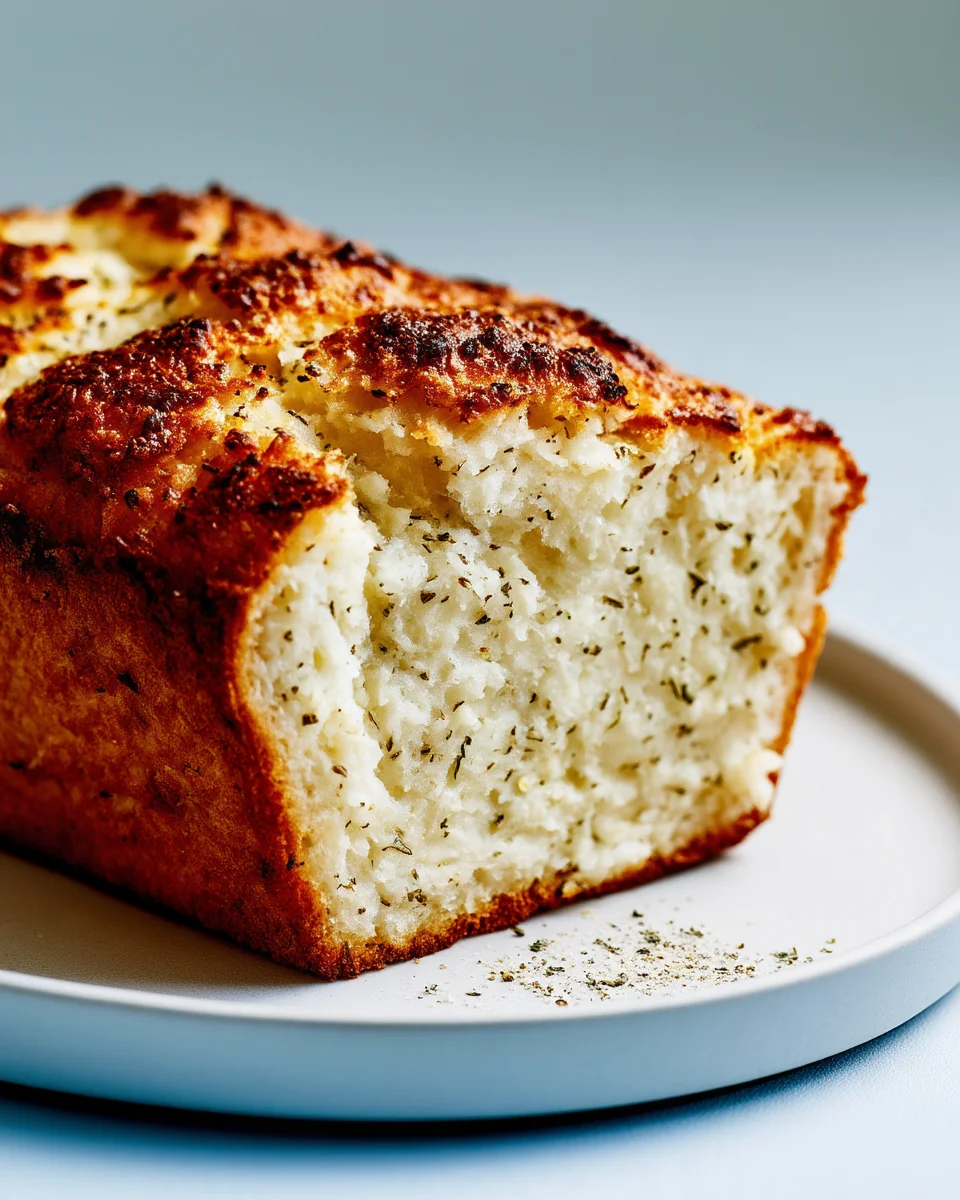
- Crusty Bread — The crunchy texture of toasted bread balances the creaminess of ricotta.
- Roasted Vegetables — Caramelized veggies provide a sweet contrast, making each bite interesting.
- Marinated Olives — Their briny taste cuts through the richness, creating a satisfying flavor profile.
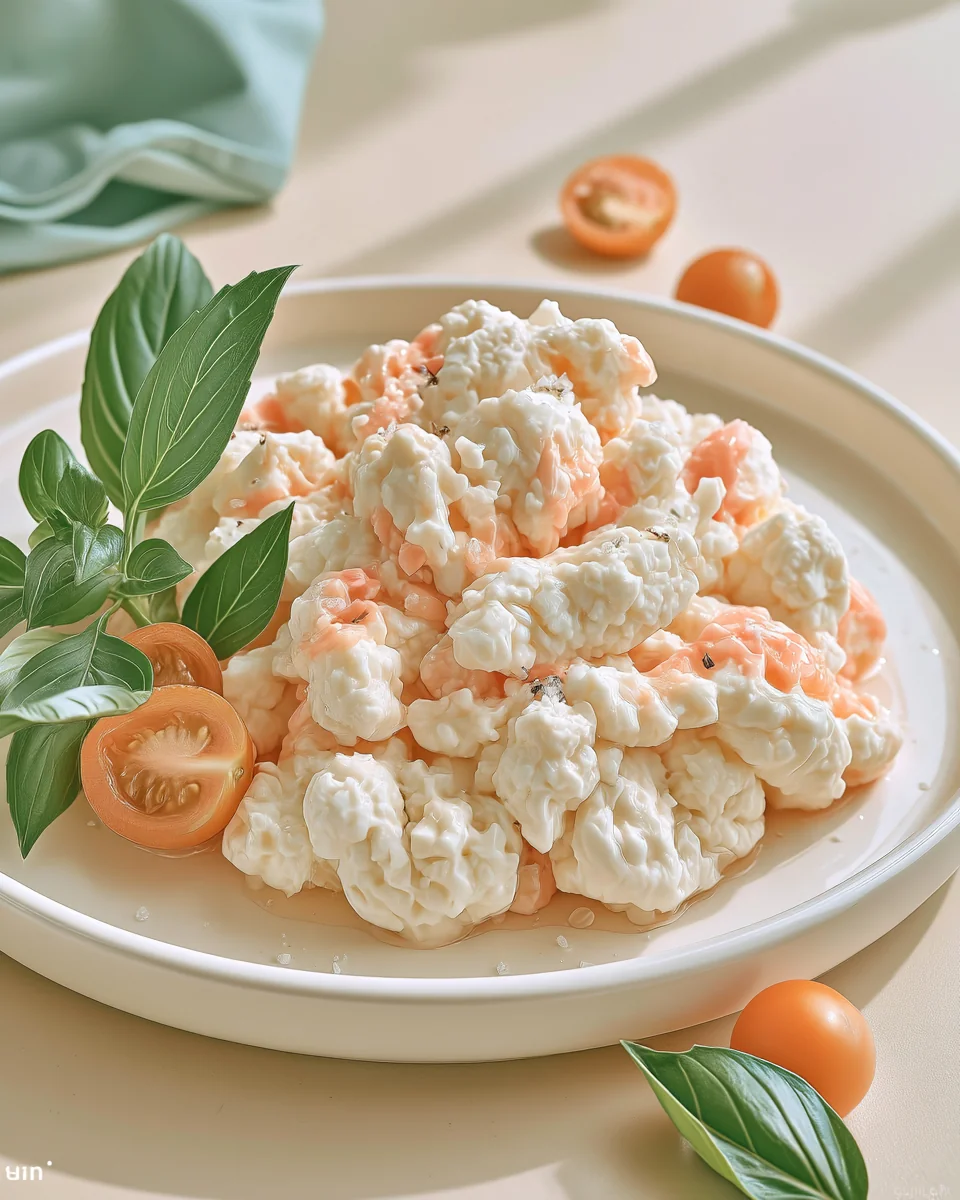
- Fresh Tomatoes — Juicy, ripe tomatoes add acidity, brightening up the dish and complementing the creaminess of the ricotta.
- Figs or Honey — The sweetness of figs or honey contrasts beautifully with the mild flavor of the cheese, making it an exquisite pairing.
 Pin it
Tips for the Best Best Homemade Ricotta Cheese Recipe
To achieve the best homemade ricotta, consider these valuable tips that will ensure a successful outcome.
- Use heavy cream in moderation — Combining ½ cup of heavy cream with the milk gives extra richness, but don’t exceed this amount; too much can make the texture overly runny.
- Check the curd formation — Look for small curds forming immediately after adding the lemon juice; if they do not form within 3 minutes, add another tablespoon of lemon juice for better curd separation.
- Be mindful of draining time — For a creamy consistency, drain the ricotta for 10-12 minutes; longer draining results in a firmer texture, but it’s best not to exceed 20 minutes unless you prefer a completely thick cheese.
- Store promptly — Transfer the ricotta to an airtight container within an hour of making it to preserve freshness; this helps retain its creamy texture for up to 4 days in the fridge.
- Add whey for moisture adjustment — If the ricotta appears too dry, mix in a tablespoon of the reserved whey to restore moisture and creaminess without affecting flavor.
- Avoid scorching the milk — Start heating the milk over medium heat and stir occasionally; this prevents it from burning, which can affect the flavor of your ricotta.
- Wrap it well for longer storage — For extended freshness, wrap the ricotta in cheesecloth and refrigerate it overnight to transform it into a firmer cheese like ricotta salata.
How to Store Best Homemade Ricotta Cheese Recipe
Store the ricotta in a clean and dry airtight container in the refrigerator for 3-4 days. This keeps the ricotta fresh and safe to eat, as it is a dairy product that can spoil at room temperature.
Refrigerator
- Keep for: 3-4 days
- Container: Airtight container
- Signs of spoilage: Sour smell or changes in texture indicate it has gone bad.
Freezing Best Homemade Ricotta Cheese Recipe
If you want to store ricotta for longer, freezing is an option, but keep in mind that the texture may change after thawing.
- Keep for: Up to 2 months
- Container: Freezer-safe airtight container or heavy-duty freezer bag
- Signs of spoilage: Off smell or noticeable ice crystals on the ricotta indicate freezer burn.
Frequently Asked Questions
Can I make the Best Homemade Ricotta Cheese Recipe ahead of time?
Yes, you can make ricotta a day or two ahead. It will stay fresh in the refrigerator, ready for use when you need it. Just ensure you store it in an airtight container to maintain its creamy texture.
Why did my ricotta turn out dense?
If your ricotta is dense, it may have drained too long or the milk was not heated enough before adding lemon juice. Be mindful of the draining time; for a dip or spread, aim for 10-12 minutes.
Can I halve the Best Homemade Ricotta Cheese Recipe?
Absolutely, you can halve the ingredients. Use 17 ounces of whole milk and ¼ cup of heavy cream. The cooking time remains the same, making this a versatile recipe.
Does ricotta cheese freeze well?
Ricotta can be frozen, but note that it may become grainy upon thawing. To freeze, portion it into airtight containers, allowing space for expansion.
What pan can I use instead of a heavy-bottom pan?
If you don’t have a heavy-bottom pan, you can use a regular saucepan. Just be sure to stir frequently to prevent scorching, as the milk can easily burn in thinner pans.
Final Thoughts
This Best Homemade Ricotta Cheese Recipe offers rich, creamy results using simple, fresh ingredients. It's not only economical but also incredibly versatile; you can use it in both savory and sweet dishes. Experiment with herbs or spices to customize it to your taste, making this a delightful addition to your culinary repertoire.