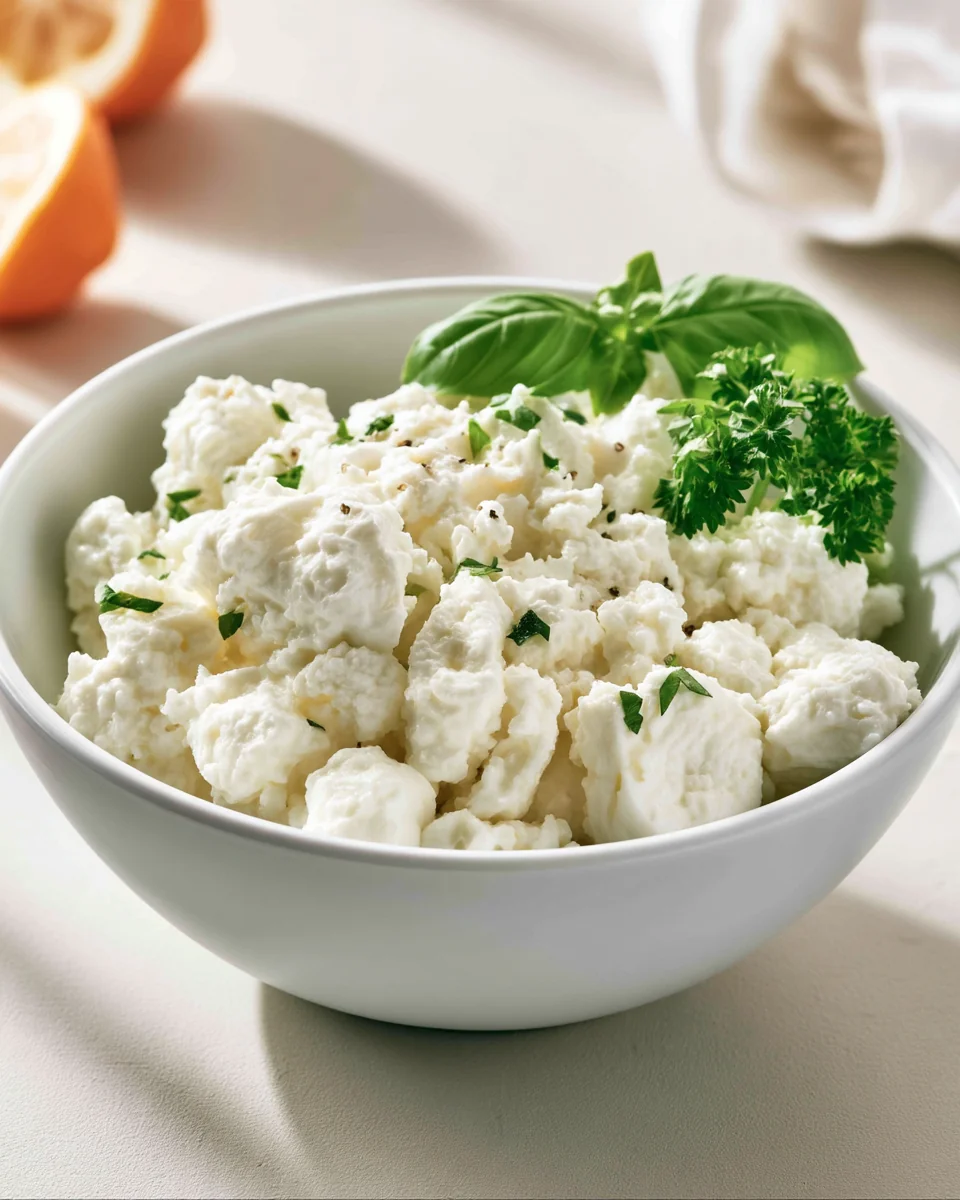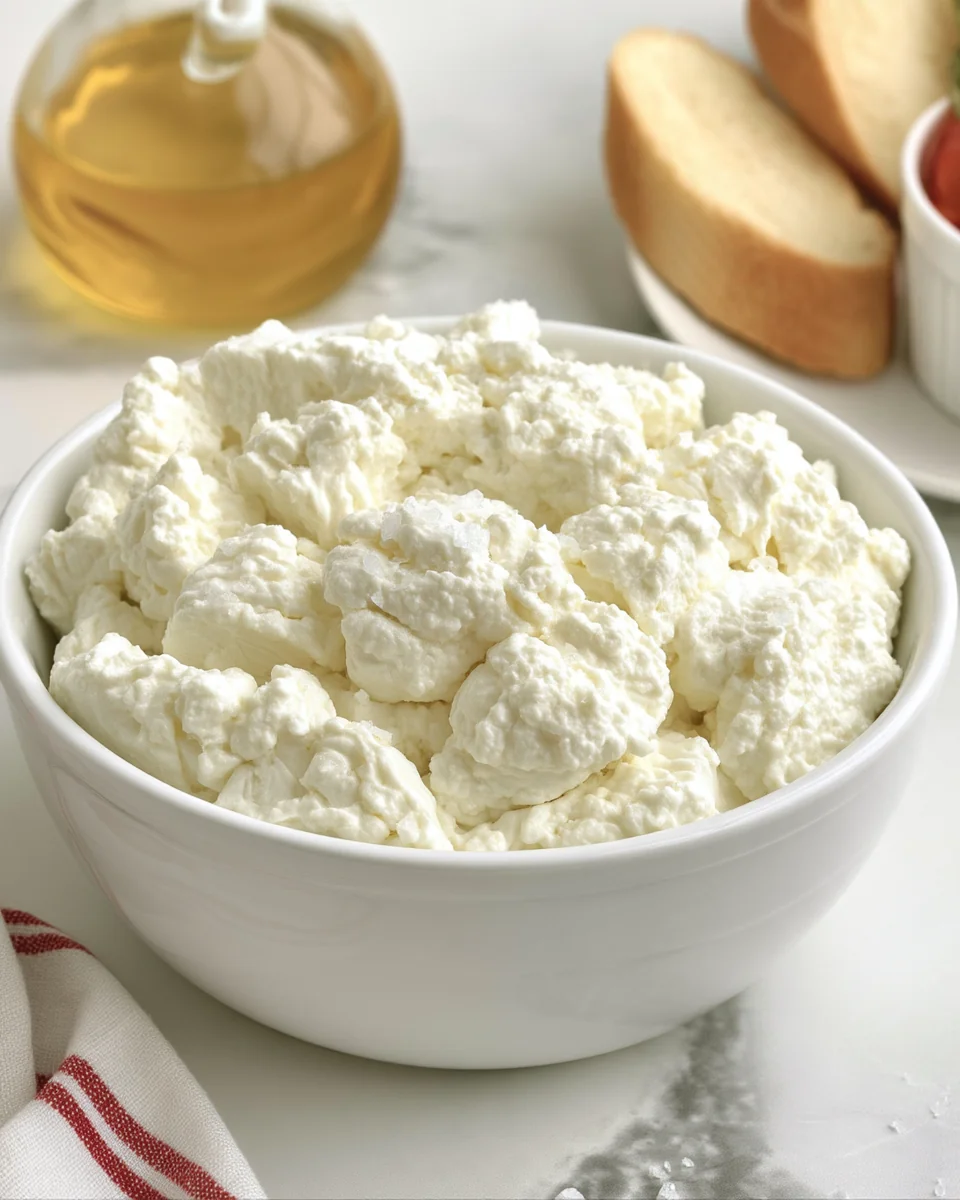
Fresh Ricotta Cheese is a creamy delight that transforms dishes from pasta to desserts with its rich, velvety texture. The gentle flavor complements both savory and sweet recipes, making it an ideal choice for any meal. You'll want to whip up this homemade cheese when you're craving something fresh and satisfying, perfect for spreading on toast or dolloping onto lasagna.
This method ensures that your ricotta will be silky rather than grainy. By carefully heating the mixture to between 190 to 200°F, you can form delicate curds that keep moisture without overcooking. With the simple ingredients used in this recipe, you'll avoid the common pitfall of dry cheese and enjoy a fresh batch that’s easy to create at home.
Why You'll Love This Recipe
- No Grainy Texture — Slow heating promotes smooth curds, avoiding that common overcooked issue.
- Simple Ingredients — Whole milk, heavy cream, and buttermilk combine for a rich flavor profile.
- Quick Preparation — The process takes just 10 minutes of cooking, adding minimal time to your meal prep.
- Versatile Use — Fresh ricotta can be used in a wide variety of dishes, from appetizers to desserts.
- Homemade Goodness — Create your cheese at home without any mystery ingredients or preservatives.
Ingredients & Substitutions
Serves 6
For the Ricotta
- 4 cups whole milk — forms the base for a creamy ricotta; avoid skim milk, as it won't yield the same richness.
- 1 cup heavy whipping cream — adds richness; half-and-half can replace it in a pinch, but you'll lose some creaminess.
- ¾ cup buttermilk — helps curdle the milk; plain yogurt can serve as a substitute, but it may alter the flavor slightly.
- ½ teaspoon sea salt — enhances flavor; kosher salt works well too, but avoid table salt as it can be too salty.
How to Make Fresh Ricotta Cheese
Step 1: Combine Ingredients
In a 2-quart saucepan, combine 4 cups of whole milk, 1 cup of heavy whipping cream, ¾ cup of buttermilk, and ½ teaspoon sea salt. Stir gently just to mix everything. This initial mixing helps dissolve the salt evenly, which is key for balanced flavor.
Step 2: Heat the Mixture
Place the saucepan over medium to medium-high heat, cooking the mixture slowly. Keep an eye on it as the temperature climbs. You'll want to bring it just to a boil, reaching 190 to 200°F. This is crucial; if the mixture bubbles too vigorously, it can lead to a grainy texture!
Step 3: Watch for Curds
As you heat, you'll notice curds starting to form. You'll see small white clumps separating from the whey, which is the liquid part. This usually happens when the temperature hits the right range; you’re looking for a clear distinction between the curds and whey.
Step 4: Drain the Curds
Once curds have formed and the mixture has reached the desired temperature, remove the saucepan from heat. Carefully pour the contents into a fine mesh sieve that’s lined with cheesecloth, set over a large bowl. Let it drain for 15 minutes. This lets your fresh ricotta retain some moisture for the best texture.
Step 5: Gather and Squeeze
After draining, gather the corners of the cheesecloth, creating a pouch around the ricotta. Gently squeeze to remove some extra whey, but be cautious. Over-squeezing can lead to dry ricotta! You want a creamy texture here, so leave some moisture in the curds.
Step 6: Store and Chill
Transfer your freshly made ricotta cheese to an airtight container. Store it in the refrigerator for up to 2 days. It tastes best when fresh, but can be enjoyed within this timeframe for optimal flavor and texture.
How to Serve Fresh Ricotta Cheese
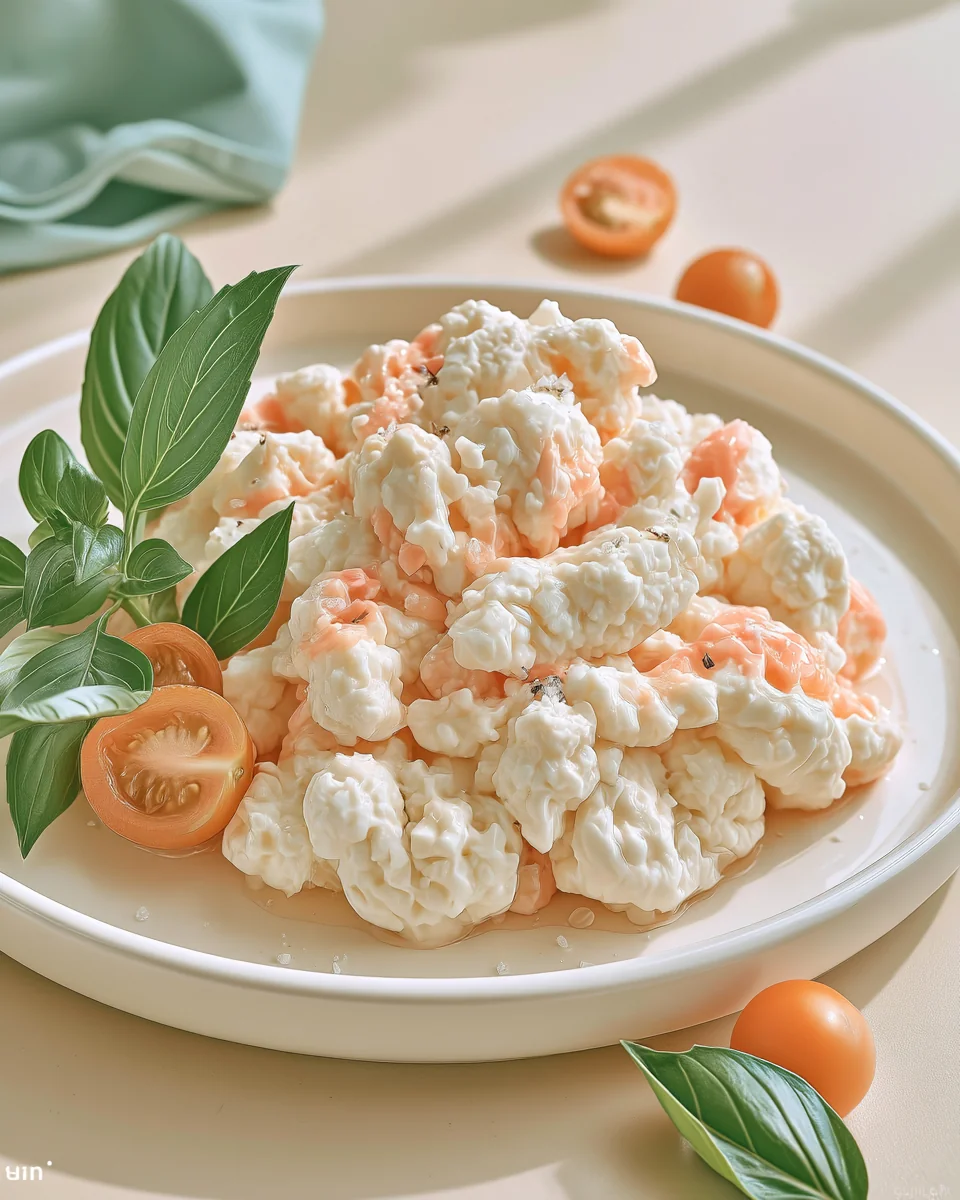
Fresh ricotta cheese is wonderfully versatile and can brighten up many dishes. It is creamy, mildly tangy, and can be enjoyed in various ways. Whether dolloped atop pasta, spread on toast, or served as part of a cheese platter, ricotta shines with the right presentation.
Serving Ideas
- At room temperature — Let it sit out for 30 minutes before serving to enhance its creamy texture and flavor. Warmer ricotta is smoother and easier to spread.
- On a wooden cheese board — Arrange it alongside fresh fruits, nuts, and honey for a rustic presentation. The wood's warmth adds a nice touch to the overall experience.
- In small bowls or ramekins — Portion out about 1/4 cup for individual servings, especially when serving at a gathering or dinner party. This creates an elegant touch and encourages guests to help themselves.
- With fresh herbs — Garnish with basil or chives — this not only adds color but also complements the creamy, rich flavor of the ricotta, making it pop on the plate.
What to Serve Alongside
- Grilled peaches — The sweet, caramelized flavor contrasts beautifully with the creamy ricotta, offering a delightful balance.
- Sundried tomatoes — Their tangy, salty flavor adds a sharpness that cuts through the richness of the ricotta.
- Honey — Drizzling honey on top complements the creaminess with a sweet note, perfect for breakfast or dessert.
- Toasted bread — The crunch of toasted baguette or crostini provides a pleasing contrast to the soft texture of the ricotta.
- Roasted vegetables — The earthy flavors and slight char of roasted broccoli or peppers balance the rich creaminess, creating a heartier dish.
 Pin it
Tips for the Best Fresh Ricotta Cheese
Getting the perfect ricotta requires attention to detail. Here are some tips to enhance your experience and avoid common pitfalls:
- Use a thermometer — Monitor the temperature closely, bringing the mixture to 190 to 200°F (88 to 93°C). This range is where curds form properly; anything hotter can lead to a grainy texture.
- Drain properly — Allow the curds to drain for a full 15 minutes to achieve that creamy consistency. Rushing this step can result in watery ricotta.
- Don't squeeze too hard — When you wrap the cheese in cheesecloth, apply gentle pressure only. Over-squeezing can lead to dry ricotta; leave some moisture for a perfect texture.
- Store wisely — Keep the ricotta in an airtight container in the fridge for up to 2 days. Fresh ricotta tastes best immediately, but proper storage extends its quality.
- Experiment with flavors — Try adding a pinch of sea salt or herbs after making the ricotta. This allows you to customize the taste, enhancing its versatility for various dishes.
- Be gentle when mixing — If incorporating additional ingredients, fold them in softly. This prevents breaking the curds, ensuring a smooth, cohesive texture without clumps.
- Use quality milk and cream — Choose whole milk and high-quality heavy cream to achieve a rich, delectable flavor, as the base ingredients greatly impact the final product.
How to Store Fresh Ricotta Cheese
Store fresh ricotta cheese in the refrigerator in an airtight container for up to 2 days for the best freshness. While it can last a bit longer, you will enjoy it the most in this time frame, as it retains its creamy texture and flavor.
Refrigerator
- Keeping time: Up to 2 days for best quality.
- Container: Use an airtight container.
- Signs of spoilage: Look for unpleasant odors or signs of mold. If the texture becomes dry or grainy, it may have gone past its best.
Freezing Fresh Ricotta Cheese
- Keeping time: Freezes well for up to 2 months.
- Container: Use an airtight freezer bag or container, leaving some space for expansion.
- Signs of spoilage: If it develops ice crystals or freezer burn, it’s best to discard it, as the texture will change after thawing.
Frequently Asked Questions
Can I make fresh ricotta cheese ahead of time?
Yes, you can prepare fresh ricotta cheese a day in advance. Just store it in the refrigerator until you are ready to use it. Ensure you allow for the 15 minutes of cooling and draining time after cooking.
Why did my fresh ricotta cheese turn out dense?
If your ricotta cheese is dense, you may have overcooked the mixture. It's crucial to monitor the temperature carefully, ensuring it reaches between 190 to 200°F for curds to form without becoming grainy.
Can I halve this fresh ricotta cheese recipe?
Absolutely, you can halve the ingredients to make about 3/4 cup of ricotta cheese. Just adjust your cooking time slightly to ensure the curds form properly.
Does fresh ricotta cheese freeze well?
Yes, you can freeze fresh ricotta cheese. Just store it in an airtight container or freezer bag. After thawing, it might be slightly watery, so plan to use it in cooked dishes or baked goods where texture isn't as critical.
What pan can I use instead of a 2-quart saucepan?
You can use any similar-sized pot or Dutch oven that allows for gentle heating. Make sure it has a heavy bottom to prevent hot spots that could cause the ricotta to cook unevenly.
Final Thoughts
Making fresh ricotta cheese at home is both rewarding and versatile. It adds a rich creaminess to dishes like pasta, pastries, or simply spread on toast. Don't hesitate to customize it with herbs, spices, or citrus zest to match your taste. Give this method a try, and enjoy the fresh, luscious taste that homemade ricotta brings to your meals!